





Condition
Aortic Stenosis
What You Need to Know
Aortic stenosis is the inability of the aortic valve to open completely.
Key Symptoms
The most common symptoms of aortic stenosis are:
- Fatigue
- Dizziness with exertion
- Shortness of breath
- Irregular heartbeats
- Chest pain
Diagnosis
Doctors typically diagnose aortic stenosis by:
- Physical exam
- Chest X-ray
- Electrocardiogram (ECG or EKG)
- Echocardiogram (echo)
- Cardiac MRI
- Cardiac catheterization
Treatment
Aortic stenosis is treated with repair of the obstructed valve. Several options are currently available.
- Balloon dilation
- Valvotomy
- Aortic valve replacement
- Pulmonary autograft (Ross procedure)
- Aortic homograft
Schedule an Appointment
Our pediatric specialists provide personalized care for your child’s physical, mental and emotional health needs. Meet the providers who treat aortic stenosis and schedule an appointment today.
Frequently Asked Questions
What is aortic stenosis?
Aortic stenosis means that your child has a heart valve that is too narrow or is blocked. The aortic valve is one of four heart valves that keep blood flowing through the heart. The valves make sure blood flows in only one direction. The aortic valve keeps blood flowing from the left ventricle to the aorta. Your child may be born with aortic stenosis (congenital). Or it may happen later (acquired). It occurs more often in boys than in girls. Talk to your doctor if you have questions about your child's risk.
A normal aortic valve has three cusps (leaflets) that act as a one-way door. With aortic stenosis, the valve doesn't work as it should or has an abnormal number of leaflets that don't work correctly. That makes it harder for the leaflets to open and let blood flow from the left ventricle to the aorta.
Aortic stenosis may be mild, moderate or severe. It depends on how much of the blood is blocked. The condition may get worse over time. It may also occur with other heart problems or conditions.
Moderate to severe aortic stenosis may affect the heart and blood vessels in these ways:
- Over time, the left ventricle becomes larger and can't pump blood to the body very well.
- The aorta may also become larger.
- The coronary arteries that send blood to the heart muscle may not get enough blood.
What causes aortic stenosis in children?
Why is aortic stenosis a concern for children?
Mild aortic stenosis may not cause any symptoms. Several problems may occur, however, when aortic stenosis is moderate to severe, including the following:
- The left ventricle has to work harder to try to move blood through the tight aortic valve. Eventually, the left ventricle is no longer able to handle the extra workload, and it fails to pump blood to the body efficiently
- There is a higher than average chance that the aorta may become enlarged. This can increase the risk of an aneurysm or dissection of the aorta
- There is a higher than average chance of developing an infection in the lining of the heart or aorta known as bacterial endocarditis
- The coronary arteries, which supply oxygen-rich (red) blood to the heart muscle, may not receive enough blood to meet the demands of the heart
What are the symptoms of aortic stenosis in children?
The symptoms of aortic stenosis vary depending on how old your child is. They also vary by how severe the blockage is. For example, a child with mild aortic stenosis may have few symptoms. Or they may not have any symptoms. Symptoms may not show up until adulthood. Or a baby may have trouble feeding and may not gain weight. With severe (critical) aortic stenosis, a baby is very ill.
Severe aortic stenosis may cause:
- Fatigue or tiredness.
- Bluish discoloration around the lips or skin indicating low oxygen levels (cyanosis).
- Trouble feeding.
- Not enough weight gain.
- Dizziness or lightheadedness, especially with physical activity.
- Fainting (syncope).
- Shortness of breath or rapid breathing.
- Irregular heartbeats or feeling the heart beat (palpitations).
- Chest pain or pressure.
The symptoms of aortic stenosis can be like other health conditions. Make sure your child sees their doctor for a diagnosis.
How is aortic stenosis diagnosed in children?
Your child's doctor may have heard a heart murmur when listening to your child's chest with a stethoscope. A heart murmur is an abnormal sound as blood moves through the heart. A heart murmur may mean that your child has a heart defect. Your child's symptoms are also part of figuring out the diagnosis.
Your child may need to see a pediatric cardiologist to confirm the diagnosis. This is a doctor with special training to treat heart defects and other heart problems in children. Your child may also have tests, such as:
- Chest X-ray. This gives an overall picture of your child's heart and lungs.
- Electrocardiogram (ECG). This test measures the electrical activity of the heart.
- Echocardiogram (echo). This test uses sound waves to give a moving picture of the heart and valves. This is one of the best tests for aortic stenosis.
- Cardiac catheterization. This test shows details of the structures of the heart. Your child will have this test while asleep. The doctor will put a thin, flexible tube (catheter) into one of your child's blood vessels. The doctor will slowly guide the catheter to the heart. Contrast dye may be injected to let the doctor see more detail.
- Exercise testing. This allows the doctor to examine the child's ECG during exercise.
- Pulse oximetry. This noninvasive test measures oxygen levels in the blood through a sensor placed on your child's finger.
What is the treatment for aortic stenosis in children?
Treatment will depend on your child's symptoms, age and general health. It will also depend on how severe the condition is. If your child doesn't have symptoms, or if symptoms are mild, your child's doctor may just watch symptoms closely. This means your child may often need office visits and tests.
The pediatric cardiologist and a cardiothoracic surgeon will figure out if your child needs an aortic valve procedure. Such procedures include:
- Balloon aortic valvuloplasty. This is done with cardiac catheterization using a catheter with a deflated balloon in the tip. The catheter is put into a blood vessel. It is moved to the narrowed valve, and the balloon is inflated to open the valve. Many doctors prefer this procedure.
- Surgical aortic valvotomy. This is surgery to remove scar tissue from the aortic valve leaflets. This lets the leaflets open as they should.
- Aortic valve replacement. This is surgery to replace the aortic valve with a new valve. Replacement valves are either artificial or from donor organs or animals.
- Pulmonary autograft (Ross procedure). This is surgery to replace the aortic valve and part of the aorta. Your child's own pulmonary valve and part of the pulmonary artery are used to replace the damaged aortic valve. A pulmonary valve and part of the pulmonary artery from a donor organ are used to replace the transplanted valve and artery. Many surgeons prefer this method because it continues to work well as a child grows.
Before the procedures:
- A baby who has critical aortic stenosis will be in an intensive care unit. They may need emergency repair of the valve. Babies who aren't as sick can have the procedure planned.
- A child with severe aortic stenosis may not be able to take part in sports. This is more a risk with sports that have intense or long periods of activity.
What are possible complications of aortic stenosis in a child?
Possible complications of moderate to severe aortic stenosis include:
- Bulging or weakening (aneurysm) of the aorta.
- Tear (dissection) of the aorta.
- Infection of the lining of the heart, valves, or blood vessels (infective endocarditis).
- Enlargement of the heart chambers (hypertrophy).
- Heart not able to pump as it should (heart failure).
- Death.
Talk with the doctor about your child's risk for these problems.
What can you do to prevent aortic stenosis in your child?
How can I care for my child after surgery for aortic stenosis?
If your child needs surgery, he or she will go to the intensive care unit (ICU) after the procedure. While your child is in the ICU, special equipment will be used to help him or her recover from surgery, and may include the following:
- Ventilator. This is a machine that helps your child breathe while he or she is under anesthesia during the operation. A small, plastic tube is guided into the windpipe and attached to the ventilator, which breathes for your child while he or she is too sleepy to breathe effectively. Many children remain on the ventilator for a while after surgery so they can rest.
- Intravenous (IV) catheters. Small, plastic tubes inserted through the skin into blood vessels to provide IV fluids and important medicines that help your child recover from the operation.
- Arterial line. A specialized IV placed in the wrist or other area of the body where a pulse can be felt, that measures blood pressure continuously during surgery and while your child is in the ICU.
- Nasogastric (NG) tube. A small, flexible tube that keeps the stomach drained of acid and gas bubbles that may build up during surgery.
- Urinary catheter. A small, flexible tube that allows urine to drain out of the bladder and accurately measures how much urine the body makes. This can help determine how well the heart is functioning. After surgery, the heart may initially be a little weaker than it was before, and, therefore, the body may start to hold onto fluid, causing swelling and puffiness. Diuretics may be given to help the kidneys remove excess fluid from the body.
- Chest tube. A drainage tube may be inserted to keep the chest free of blood that would otherwise accumulate after the incision is closed. Bleeding may occur for several hours or even several days after surgery.
- Heart monitor. A machine that constantly displays a picture of your child's heart rhythm and monitors heart rate, arterial blood pressure and other values.
Your child may need other equipment not mentioned here to provide support while in the ICU or afterwards. The hospital staff will explain all of the necessary equipment to you.
Your child will be kept as comfortable as possible with several different medications; some of which relieve pain and some of which relieve anxiety. The staff will also be asking for your input as to how best to soothe and comfort your child.
After discharge from the ICU, your child will recuperate on another hospital unit for a few days before going home. You will learn how to care for your child at home before your child is discharged. Your child may need to take medications for a while and these will be explained to you. The staff will give you instructions regarding medications, activity limitations and follow-up appointments before your child is discharged.
When should you contact my child's doctor?
Contact your child's doctor if you notice:
- Symptoms such as chest pain or trouble breathing that get worse.
- Dizziness or tiredness with physical activity.
- Symptoms of infection, such as fever or chills.
If your child has had a procedure, make sure to follow all instructions from the surgeon. And make sure to keep all follow-up appointments with your child's cardiologist and surgeon.
How can I help my child live with aortic stenosis?
Most children who have had an aortic valve repair or replacement live active, healthy lives. Your child's activity levels, appetite and growth usually return to normal. Your child should get regular follow-up care with a cardiologist throughout their life. Your child may also need:
- Regular blood pressure checks and management of high blood pressure. Be sure to have your child take all medicines prescribed by their doctor.
- Regular dental care. This is to prevent infections that may lead to a heart infection (endocarditis).
- Limited physical activity. Talk with your child's doctor about safe activities for your child.
- Antibiotics before procedures. This includes dental work. This depends on whether your child has had a valve repair or replacement.
- Blood thinners (anticoagulants). These prevent blood clots from forming on a mechanical valve. Blood tests to check the blood thinners are also done.
- Possible repeat valve repair or replacement.
Departments that Treat Aortic Stenosis
Cardiology
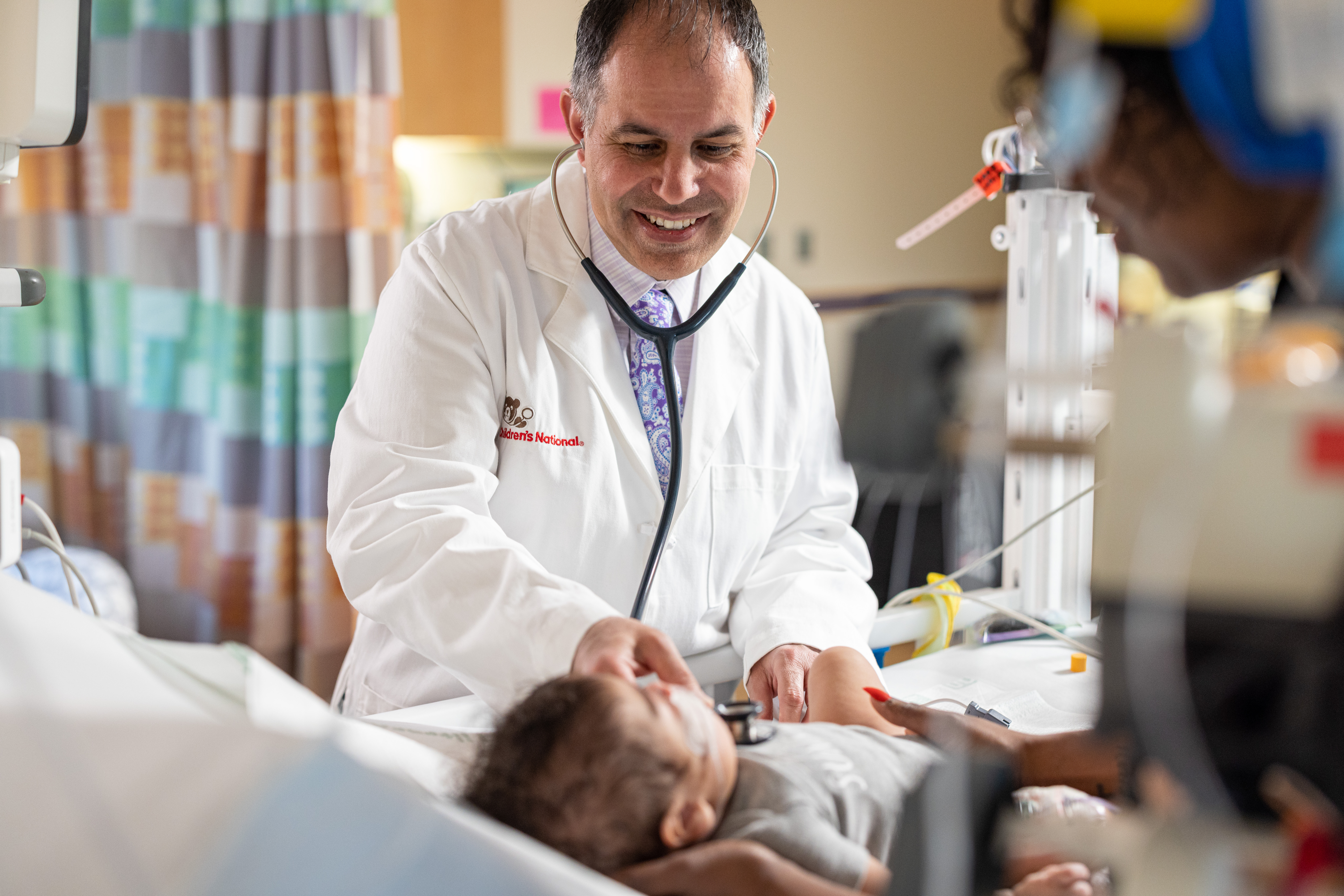
The pediatric heart experts at Children's National in Washington, D.C., provide advanced cardiology care for unborn babies, children and young adults with heart conditions. Learn more about this program.

The Zickler Family Prenatal Pediatrics Institute
The Zickler Family Prenatal Pediatrics Institute at Children's National in Washington, D.C., provides specialized care for babies during pregnancy, delivery and after birth.

Pediatric Cardiac (Heart) Surgery
Children’s National offers top-ranked pediatric heart surgery with expert surgeons, advanced techniques and trusted outcomes. Explore our surgical options for congenital heart defects and pediatric cardiac (heart) conditions.
Prenatal Cardiology Program
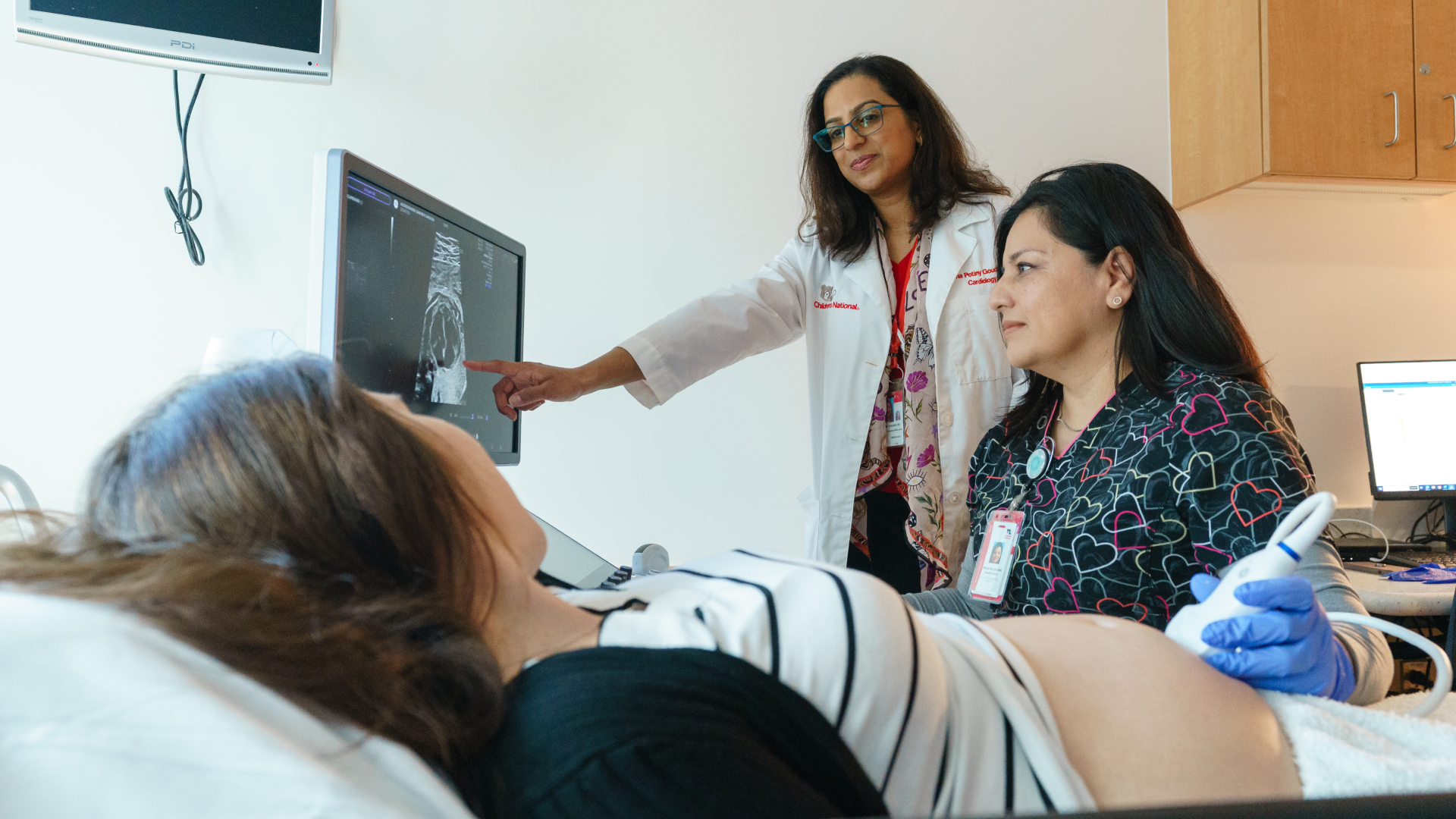
Children diagnosed with heart conditions before they are born receive comprehensive, expert care from our fetal cardiology specialists. Learn more about our Prenatal Cardiology Program.

Heart and Lung Center
Our expert pediatric team offers advanced cardiac and pulmonary care, achieving excellent outcomes for thousands of children every year.

Cardiac Catheterization
We perform hundreds of catheterization procedures every year. We treat children with the most complex heart, blood vessel, and valve conditions. We have one of the highest success rates for cardiac catheterization procedures. Learn more about Cardiac Catheterization.

Help Kids and Make a Difference
Invest in future cures to help children have brighter futures.