





Condition
Pediatric Achondroplasia
What You Need to Know
Achondroplasia is a type of rare genetic bone disorder that occurs when cartilage is not made into bone like it should be.
Key Symptoms
The most common symptoms of achondroplasia are:
- Short arms and legs
- Large head
- Flattened bridge of nose
Diagnosis
Doctors typically diagnose achondroplasia by:
- A fetal ultrasound before birth
- A physical exam after birth
Treatment
- There is no treatment that can change or cure the condition
- Different treatments can be done to help relieve problems caused by the condition
Schedule an Appointment
Our pediatric specialists provide personalized care for your child’s physical, mental and emotional health needs. Meet the providers who treat achondroplasia and schedule an appointment today.
Frequently Asked Questions
What is achondroplasia in a child?
What causes achondroplasia in children?
Which children are at risk for achondroplasia?
What are the signs of achondroplasia in a child?
How is achondroplasia diagnosed in a child?
How is achondroplasia in children treated?
What are possible complications of achondroplasia in a child?
Can achondroplasia be prevented in a child?
How can I help my child live with achondroplasia?
When should I call my child's healthcare provider?
Departments that Treat Achondroplasia
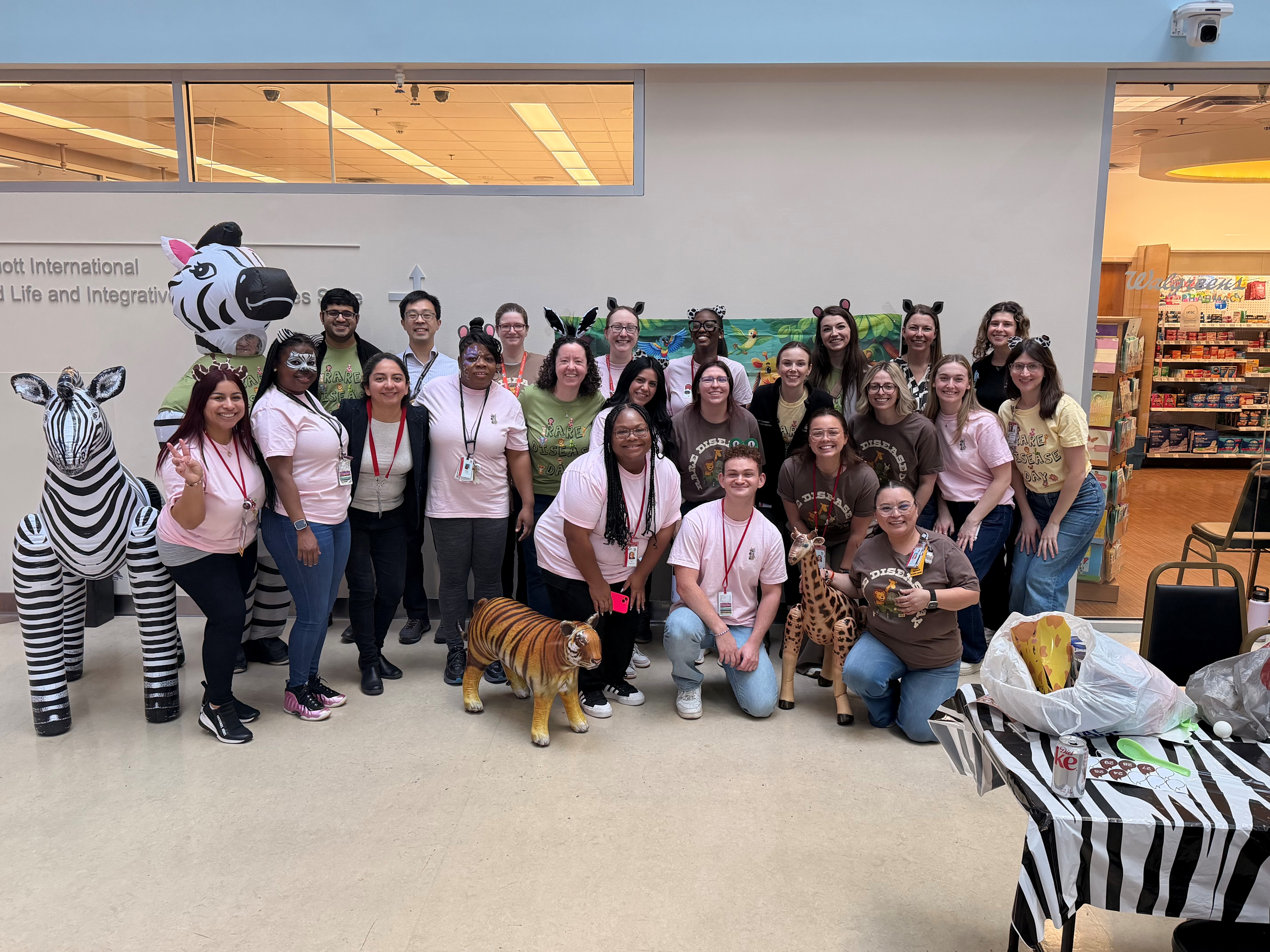
Rare Disease Institute - Genetics and Metabolism
Children's National Rare Disease Institute (CNRDI) is a first-of-its-kind center focused exclusively on advancing the care and treatment of children and adults with rare genetic diseases.


Help Kids and Make a Difference
Invest in future cures to help children have brighter futures.