





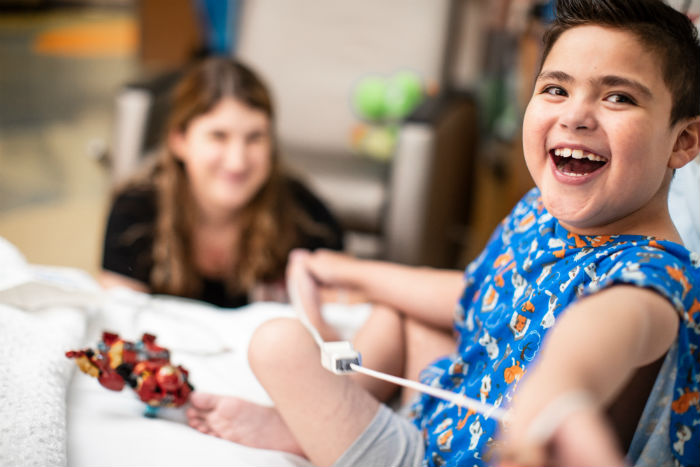
The Children's National Rare Disease Institute and nationally-ranked Oncology department established the Cancer Genetics Program to help family members understand their personal risk of developing cancer and to learn more about the risk for their loved ones.
Our Providers
Our pediatric specialists provide personalized care for your child’s physical, mental and emotional health needs.
Contact Information
For more information about the Cancer Genetics Program, please contact us.

Our Mission
The mission of the Cancer Genetics Program is to identify individuals with predisposition syndromes who have a greater likelihood to develop certain types of tumors, allowing for pre-symptomatic early detection and treatment when outcomes can be maximized and pain and suffering minimized. Ultimately, our goal is to prevent the development of cancer altogether.
Children’s National: Experts in Pediatric Genetics and Oncology
Our team is a leader in the recognition and care of patients with predisposition syndromes. The Cancer Genetics Program sees many types of patients, including the following:
- Children with cancer or a personal history of cancer
- Children and adolescents with a known cancer predisposition syndrome in need of tumor surveillance
- Children with a family history of a known tumor predisposition syndrome/known gene variant
- Family members of a child with a known tumor predisposition syndrome/known gene variant (cascade testing)
- Couples who want to learn more about the risks for their other children or future children to inherit a familial cancer gene variant
- Adults with early onset cancers and concern for a tumor predisposition syndrome
- Adults who have a family member with a known cancer gene variant

About Cancer Predisposition Syndrome
You may have heard that some cancers result from a “faulty” gene or a “spelling error” in a gene, but what does this really mean? Learn about genetic predispositions to certain types of cancer.


Conditions We Treat
- Beckwith-Wiedemann Syndrome
- Carney Complex
- Constitutional Mismatch Repair Deficiency Syndrome
- DICER1 Syndrome
- Familial Adenomatous Polyposis
- Hereditary Pheochromocytoma/Paraganglioma Syndrome
- Hereditary Retinoblastoma
- Juvenile Polyposis Syndrome
- Li Fraumeni Syndrome
- Maffucci Syndrome
- Multiple Endocrine Neoplasia
- Nevoid Basal Cell Carcinoma Syndrome (Gorlin Syndrome)
- Peutz-Jeghers Syndrome
- PTEN Hamartoma Tumor Syndrome (Cowden Syndrome, Bannayan-Riley-Ruvalcaba Syndrome)
- Rhabdoid Tumor Predisposition Syndrome
- Von Hippel Lindau Syndrome
- WT1 Disorders
- And many more
Genetic Counseling and Testing
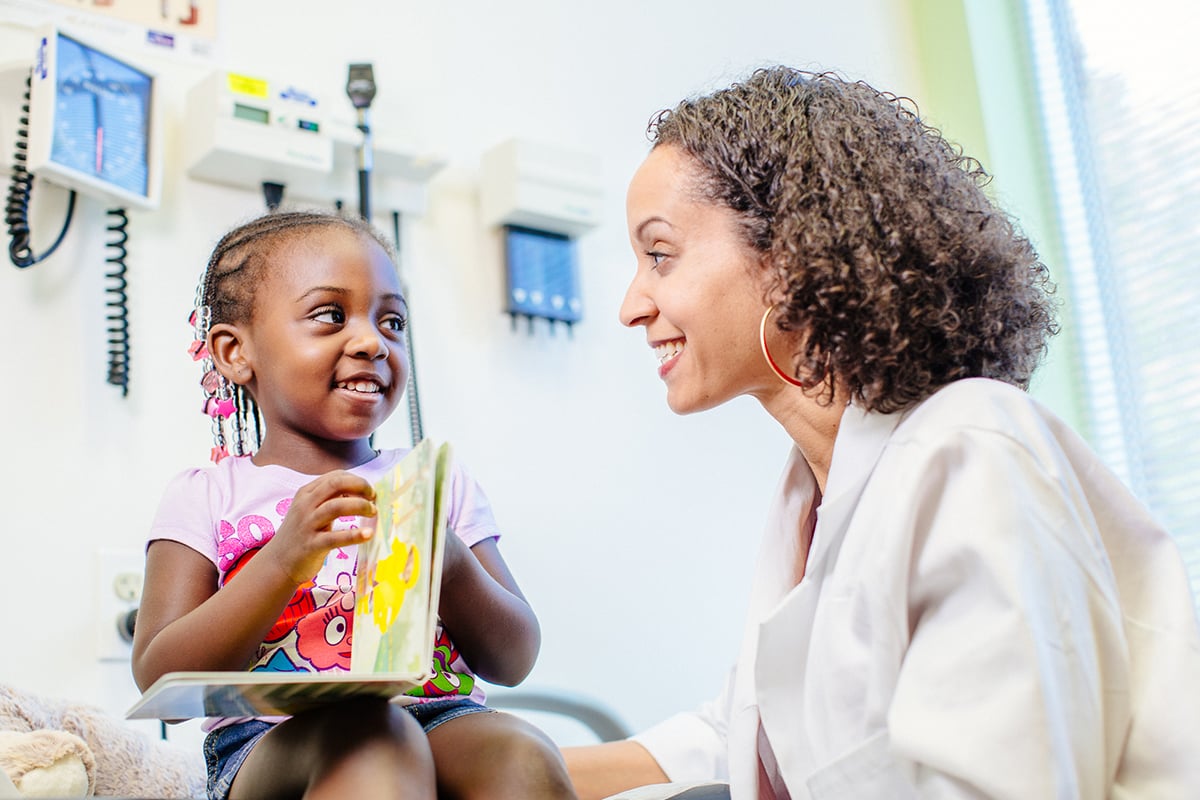
Every family's situation is unique, and the team at Children's National makes time to address individual concerns. The genetic counseling process involves reviewing a family’s medical history to better understand the types of cancer and pattern of inheritance in a family, as well as to determine whether an individual and family may be at risk for a cancer predisposition syndrome.
During the genetic counseling session, our specialists educate patients and their family members about the specific cancer syndrome in question, how it is inherited and who in the family may be at risk.
The discussion includes:
- Whether testing is the most appropriate course of action for the family
- Pros and cons of testing
- Available testing options
Depending on the medical findings, a consultation may also involve an evaluation by a geneticist.
Families should understand that genetic tests are different from other blood tests. Insurance preauthorization (approval) is sometimes necessary before testing. Once obtained, the testing process may take a few weeks to a few months, depending on the specific test being performed.
When test results become available, a follow-up consultation is scheduled to review the meaning of the results and to develop an appropriate plan of care.


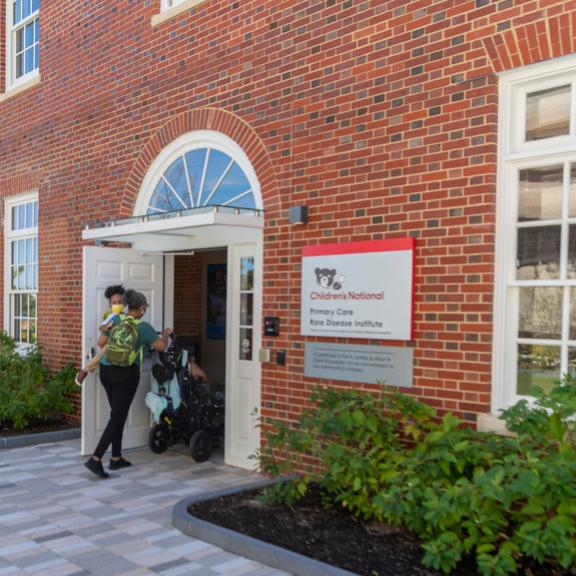
The Rare Disease Institute
Our Institute is the largest clinical genetics program in the U.S., focused exclusively on advancing the care and treatment of children and adults with rare genetic diseases.
Locations
Give to Save Lifetimes
Change a child's life forever. Donate to help find cures, fuel innovation and provide world-class care for every child.