





Treatment
Pediatric Intestinal Rehabilitation
Intestinal failure results from surgical resection, congenital defect or disease associated loss of absorption and is characterized by the inability to maintain protein-energy, fluid, electrolyte or micronutrient balances when on a conventionally accepted normal diet.
About This Treatment
Applicable Conditions
The causes of intestinal failure are usually grouped into three major categories:
- Short bowel syndrome, which is usually caused by necrotizing enterocolitis, gastroschisis, intestinal atresia or mid-gut volvulus
- Neuromuscular diseases involving the gastrointestinal tract (such as total aganglionosis, long segment Hirschsprung's disease or chronic intestinal pseudo-obstruction)
- Congenital diseases of the intestinal epithelium (microvillus inclusion disease)
Regardless of the cause, children with intestinal failure require very complex medical care. This care includes providing appropriate nutrition for normal growth, maintenance of optimal fluid and electrolyte balance, management of potential complications and provision of specialized care for the subset of patients who will require intestinal transplantation.
Program specialists, who know your child’s medical history, are available 24 hours a day, seven days a week, to answer general questions and help in an emergency.
Specialized Intestinal Rehabilitation Unit
Children’s National is the only hospital in the area with an inpatient unit dedicated exclusively for intestinal rehabilitation patients. We coordinate personalized medical, nutritional and surgical treatment for the healthiest outcomes and improved quality of life for patients and families.
Treatment and Care
Intestinal rehabilitation involves dietary management with very precise control of metabolic balance, and prompt and effective treatment of complications. We closely monitor nutrition for normal growth, maintenance of optimal fluid and electrolyte balance, and management of potential concerns.
Multiple therapies must be undertaken to provide the best management to allow for eventual weaning of parenteral nutrition. The care of these patients is complex and requires an interdisciplinary management team, including a gastroenterologist, surgeon, dietitian and general nurse and social support.
Children’s National offers the most advanced non-transplant surgical options for treatment for intestinal failure, with the goal of improving intestinal absorption and bowel function. These include small bowel reconstruction, and bowel lengthening procedures, such as the Bianchi and STEP (serial transverse enteroplasty), performed by some of the most highly trained pediatric surgeons.
Patients with intestinal failure encounter multiple acute and chronic problems. The real challenge in patients with intestinal failure comes from managing the many chronic complications that arise. The most common problems that can be found in the acute or chronic stages are diarrhea, fluid and electrolytes abnormalities, and nutrient loss.
Many of the chronic complications come from the use of intravenous feeding, including catheter-associated infection, cholestasis-hepatic dysfunction (intestinal failure associated liver disease), metabolic complications, demineralization of bone, rickets and progressive renal insufficiency.
Children’s National works closely with the MedStar Georgetown Transplant Institute, in the instance that patients need a transplant.
Goal
The goal of the program at Children’s National is to incorporate multiple medical and surgical therapies to promote intestinal adaption to eventually wean patients from parenteral nutrition. The multidisciplinary Intestinal Rehabilitation Program is one of the few programs in the country for infants, children and teens with short bowel syndrome and complex gastrointestinal disorders.
Director Clarivet Torres, MD, devotes her entire practice to patients with intestinal failure, and every member of the team specializes in treating these conditions. The team maintains a high survivability rate and is committed to prompt treatment of complications that can arise for patients. Children and families from around the world come to Children’s National for this expertise.
Outcomes
Our focused care has resulted in exceptionally high survivability rates. The program aims to improve health outcomes and help children and their families achieve improved quality of life. Here are some of our stats:
- Survivability rate among short bowel patients: 98.7 percent
- Resolution of cholestasis: 98 percent (with a mean time to normalized bilirubin of 10 weeks)
- Independent parenteral nutrition: 85 percent of short bowel syndrome patients were weaned over a median time of 5 months after beginning our program
Meet the Intestinal Rehabilitation Providers
Departments that Offer Intestinal Rehabilitation

Gastroenterology, Hepatology and Nutrition
Our gastroenterology specialists provide expert diagnosis and treatments for children with digestive, liver and nutrition disorders.
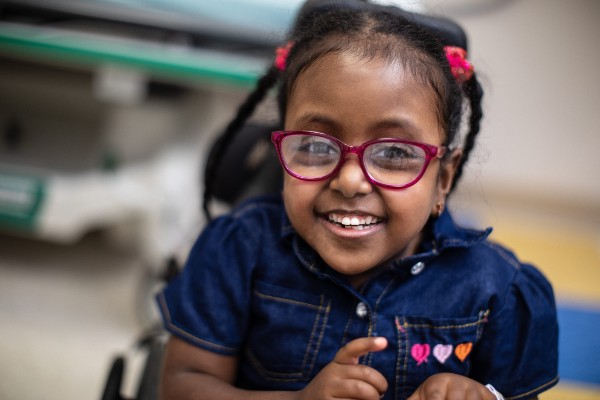
Intestinal Rehabilitation Program
Our nationally renowned team members have dedicated their careers to treating children with intestinal failure. We offer a precise diagnosis, a personalized treatment plan, and ongoing care for children and families. Learn more about our program.
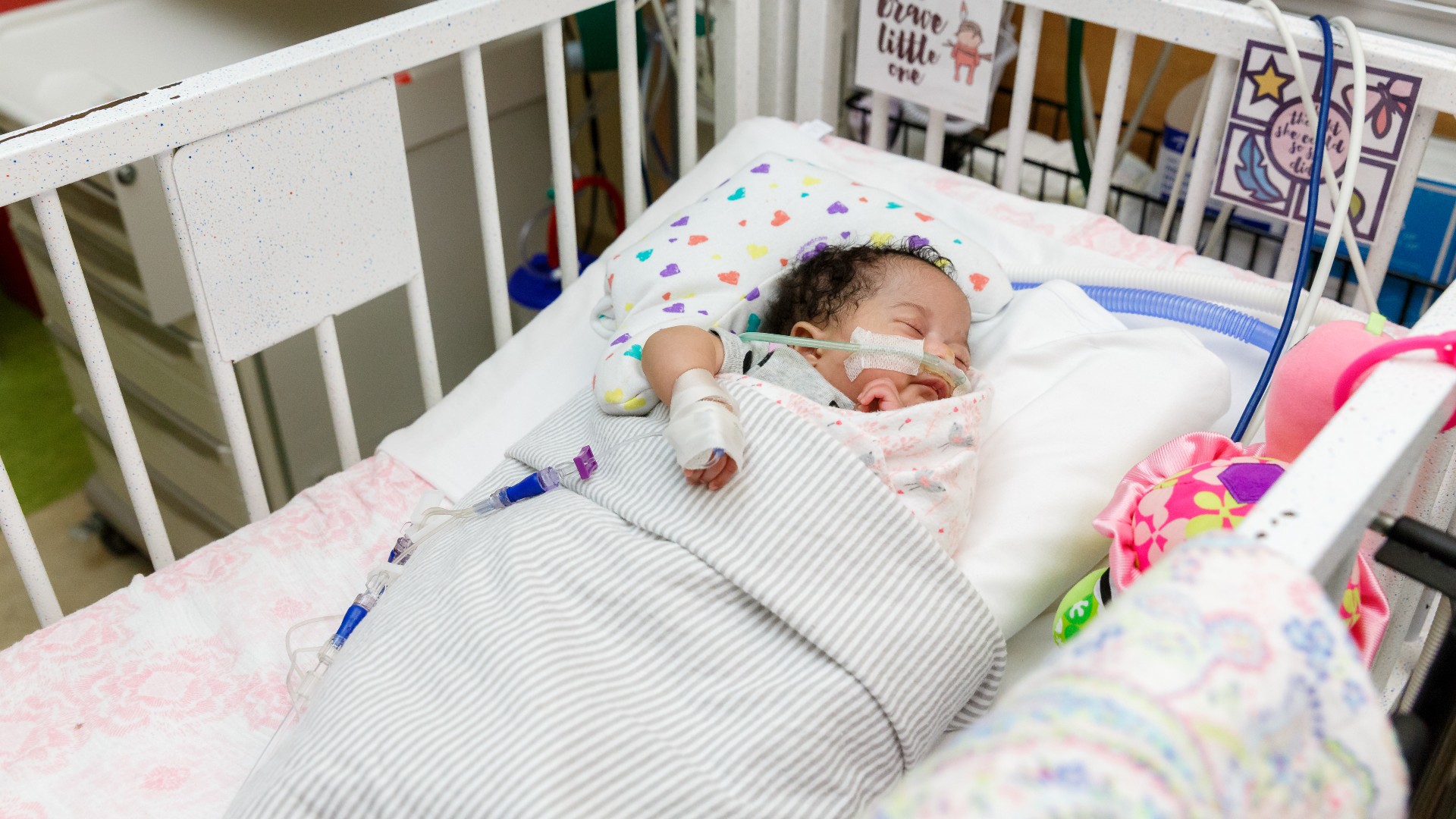
Neonatology
Whether your infant has arrived prematurely or has a critical illness, the top-ranked neonatology team at Children's National assists in coordinating every service you and your baby need, including consultations, assessments, emergency treatments and continuing care.

Help Kids and Make a Difference
Invest in future cures to help children have brighter futures.