





Condition
Pediatric Influenza
What You Need to Know
Influenza (flu) is a very contagious viral infection of the respiratory system.
Key Symptoms
Diagnosis
Treatment
Schedule an Appointment
Our pediatric specialists provide personalized care for your child’s physical, mental and emotional health needs. Meet the providers who treat flu and schedule an appointment today.
Frequently Asked Questions
What is the flu?
What causes the flu in a child?
Which children are at risk for the flu?
What are the symptoms of the flu in a child?
How is the flu diagnosed in a child?
How is the flu treated in a child?
What are possible complications of the flu in a child?
How can I help prevent the flu in my child?
When should I call my child's healthcare provider?
Compassionate Care for Jeffrey Close to Home
Rosa worried when her son Jeffrey didn't feel well for days. She brought him to our emergency department for world-class care not far from her neighborhood.
.jpg?rev=1d91d6ddfe4340969874f880c47e1b2e)
Departments that Treat Influenza
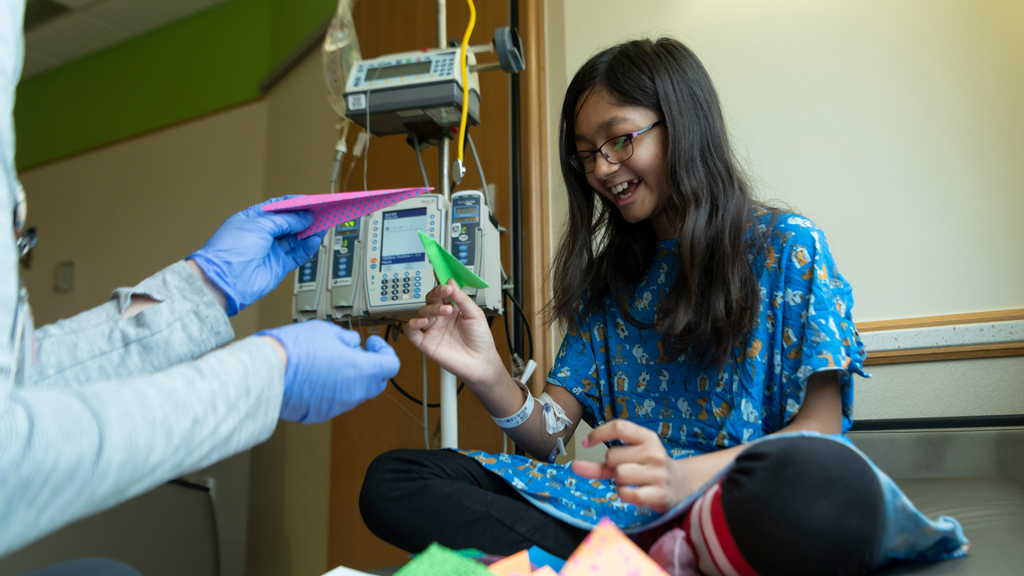
Infectious Diseases
Our Division of Infectious Diseases is the major referral center for infectious diseases in the Washington, D.C., area, helping thousands of patients each year, and actively promoting prevention through community outreach and education. Learn more about this division.

Flu Resources
Learn more about influenza and how to protect your family on our flu resources page.

Help Kids and Make a Difference
Invest in future cures to help children have brighter futures.