





Condition
Pediatric Fever of Unknown Origin
What You Need to Know
Most healthcare providers define a fever as a temperature of 100.4°F (38°C) or higher when taken rectally or 100°F (37.8°C) or higher when taken by mouth.
Key Symptoms
Common symptoms of fever may include:
- Your child may be less active
- Your child may seem fussier, less hungry and thirstier
- Your child may feel warm or hot
Treatment
Treatment may include:
- Antifever medicine (Don't give your child aspirin)
- Dress your child lightly
- Encourage your child to drink plenty of fluids
Meet the Providers Who Treat Fever of Unknown Origin
Frequently Asked Questions
What is a fever?
What conditions can cause a fever in children?
What are the benefits of a fever in a child?
What are the symptoms that my child may have a fever?
How should I check my child's temperature?
When should a fever in a child be treated?
What can I do to decrease my child's fever?
Departments that Treat Fever of Unknown Origin
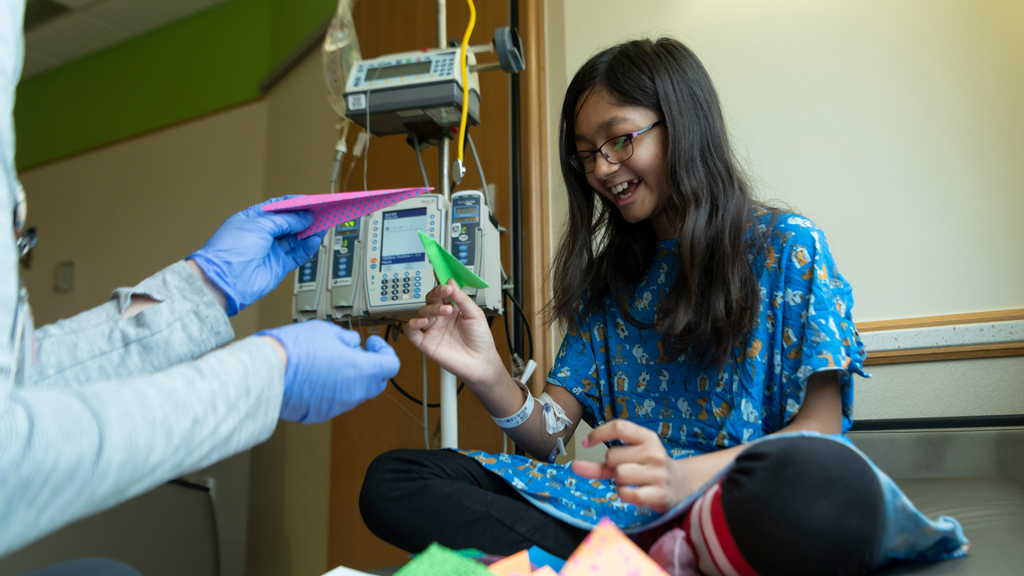
Infectious Diseases
Our Division of Infectious Diseases is the major referral center for infectious diseases in the Washington, D.C., area, helping thousands of patients each year, and actively promoting prevention through community outreach and education. Learn more about this division.

Help Kids and Make a Difference
Invest in future cures to help children have brighter futures.