






Advanced Sleep Apnea Program
Our Providers
Our pediatric specialists provide personalized care for your child’s physical, mental and emotional health needs.
Contact Information
For appointments, please call 1-888-884-BEAR (2327) and for information, call 202-476-2022.
Why Families Choose Children's National for Advanced Sleep Apnea Treatment
- We provide expert care tailored to your child’s needs: Our team cares for the following patients:
- Children and adolescents who continue to have moderate to severe obstructive sleep apnea after tonsillectomy and adenoidectomy
- Children with Down syndrome or other craniofacial/neuromuscular conditions
- Patients who are unable to tolerate – or do not benefit from – continuous positive airway pressure (CPAP) or oral appliances
- Children with anatomical airway obstruction identified at the tongue base, palate or other levels
- Your child will benefit from a team approach to comprehensive care: Your child will be seen by a coordinated group of specialists who evaluate the airway from multiple perspectives:
- Ear, Nose and Throat (Otolaryngology): Otolaryngologists carefully check your child’s airway while they are both awake and asleep to understand how they breathe. If needed, we offer specialized surgery to help treat complex breathing problems and make it easier for them to breathe.
- Sleep Medicine: Sleep medicine specialists review your child’s polysomnography (sleep study) results, provide treatments like CPAP when surgery isn’t needed and work with you to make sure your child gets the ongoing sleep care they need.
- Dentistry (Oral Health): Dentists will check your child’s jaw, palate and bite to see how they affect breathing. If needed, we offer treatments like widening the upper jaw or creating custom oral devices to help improve their airway.
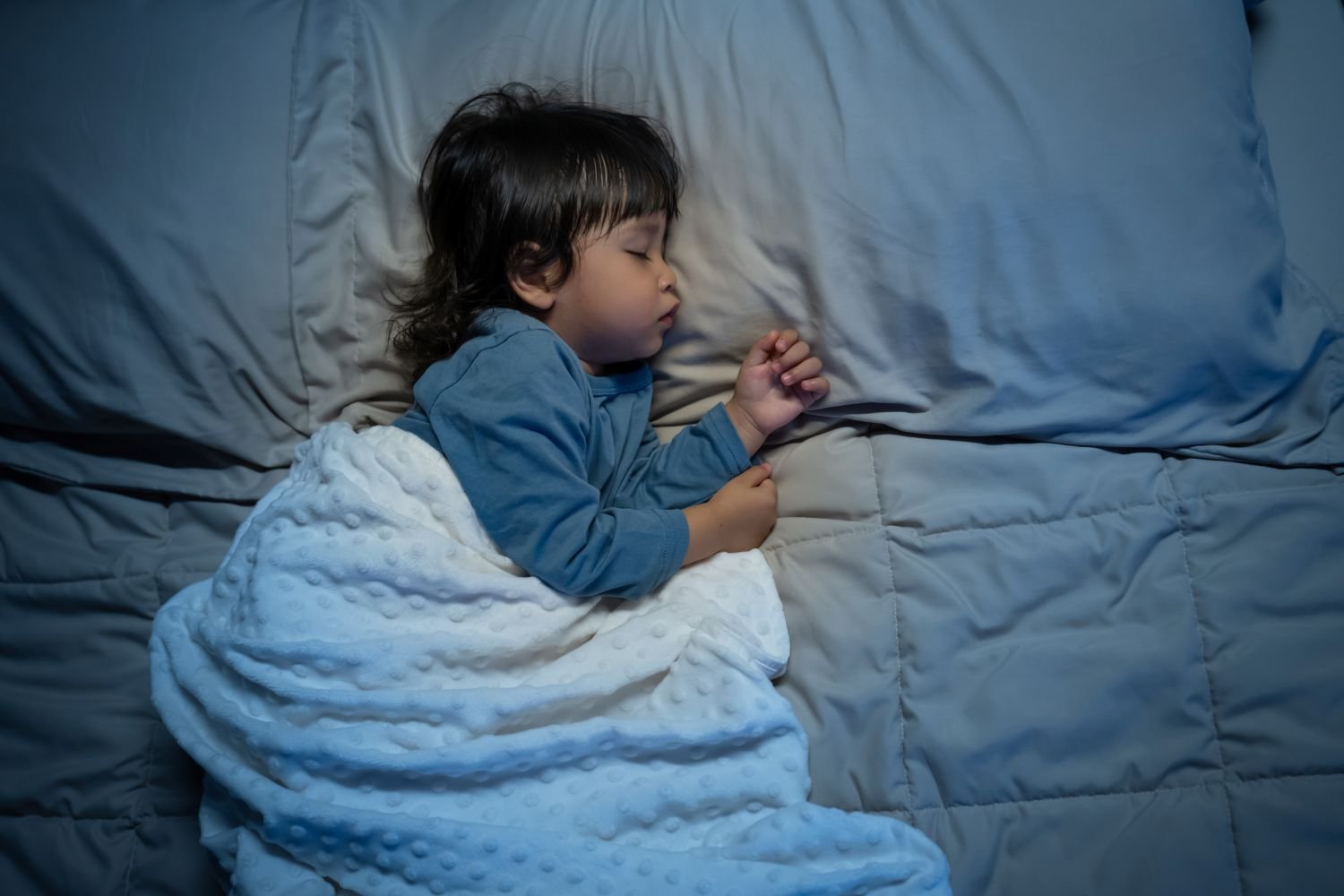
What is obstructive sleep apnea?
Obstructive sleep apnea occurs when a child briefly stops breathing while sleeping. It happens because of a blockage in the upper airway (the passage through the nose and mouth to the windpipe and lungs). The pause in breathing may occur many times in a night, disrupting the child’s sleep. Most children will snore, but other symptoms such as wetting the bed or sleep walking may also occur. The condition is most commonly found in children ages 3 to 6.
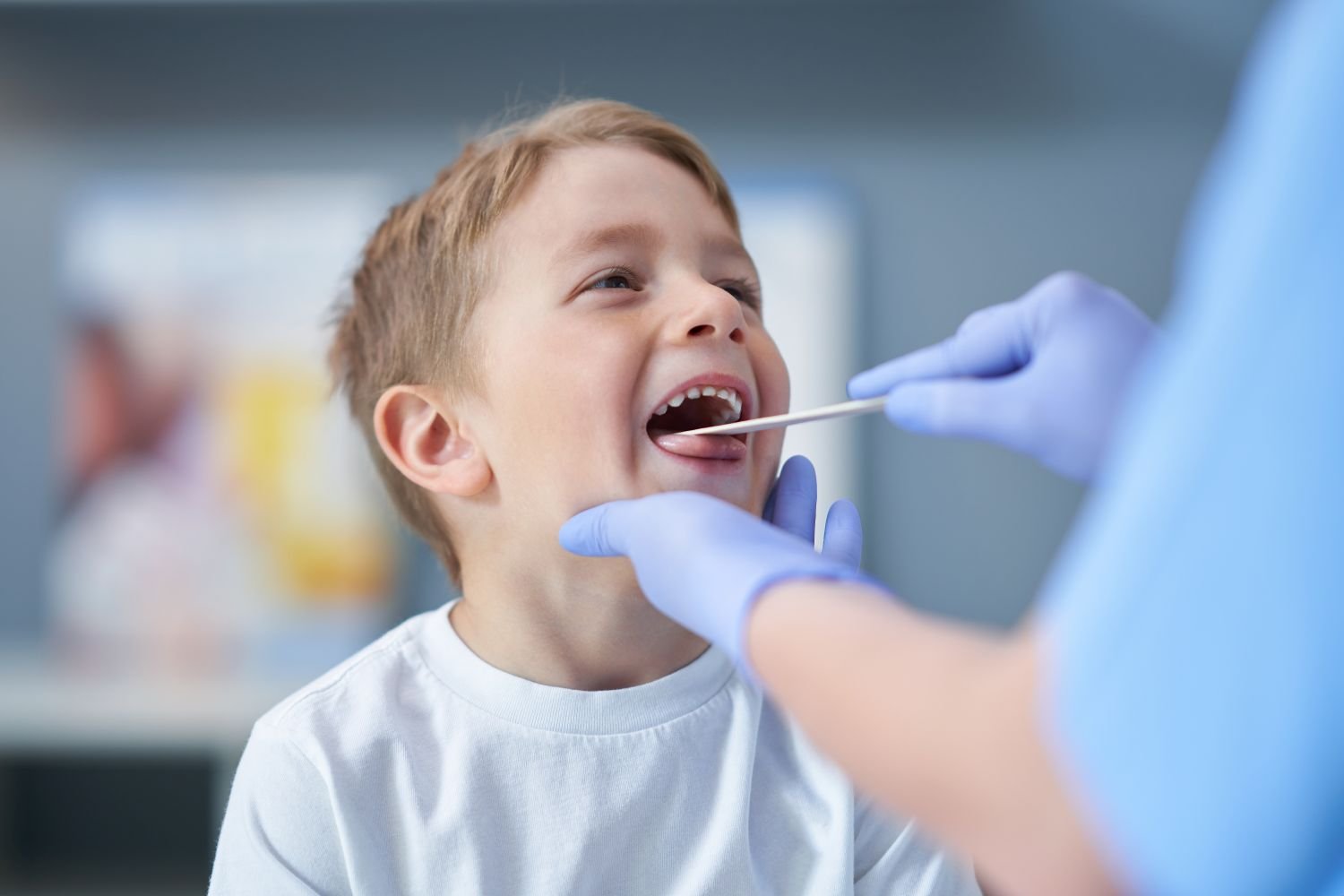
What happens at the first visit?
During your child’s first appointment, we’ll provide a thorough evaluation that may include a comprehensive review of your child’s medical history and an airway evaluation. Our team of experts reviews medical history, prior surgeries and sleep study results to confirm the severity and pattern of obstructive sleep apnea and to assess post-treatment changes. Your child will receive an evaluation of their airway either via a flexible laryngoscopy or drug-induced sleep endoscopy (DISE) to pinpoint airway obstruction.
What are the treatment options for persistent obstructive sleep apnea in children?
Because all children in this program have already undergone tonsillectomy and adenoidectomy, our focus is on next-step and advanced (surgical and non-surgical) interventions, such as:
Lingual tonsillectomy and tongue-base surgery
Orthodontic and dental interventions
Myofunctional therapy
Continuous positive airway pressure (CPAP) optimization
Hypoglossal nerve stimulation (HGNS)

Research Study
Orthodontic Dental Device for Sleep Apnic Children
Children’s National is studying a removable dental device to treat obstructive sleep apnea in children ages 9–16 who have failed, or aren’t candidates for, traditional therapies.
Location

Main Hospital
- Specialty Care
- Emergency Care