




Children’s National Hospital launches first-of-its kind CAR T-cell trial for pediatric solid tumors
Effort part of an international collaboration through the Cancer Grand Challenges NexTGen team to develop novel therapies to target unique features in solid tumors in children
Children’s National Hospital has opened enrollment for one of the U.S. arms of a first-of-its-kind international clinical trial using investigational CAR T-cell therapy for children and young people with hard-to-treat solid tumors. The study, known as SABRE, is part of the Cancer Grand Challenges NexTGen team co-led by Catherine Bollard, MBChB, MD, senior vice president and chief research officer at Children’s National, and Martin Pule, MBBS, PhD, at University College London (UCL).
The NexTGen team is a global collaboration between researchers across the UK, U.S. and France to tackle the challenge of finding better treatments with fewer long-term side effects for children and young people with solid tumors. The team is funded by Cancer Research UK, the National Cancer Institute (NCI) and The Mark Foundation for Cancer Research, through Cancer Grand Challenges, a global research initiative to tackle the biggest challenges in cancer.
The U.S. portion of the Cancer Grand Challenges NexTGen program includes two coordinated trials. One, led by researchers at Boston Children’s Hospital, will test T-cell therapy for children with aggressive brain tumors. The other, known as SABRE and led by Children’s National under the direction of Dr. Bollard and Holly Meany, MD, director of the Solid Tumor Program at Children’s National, will test CAR T-cell therapies specifically designed for children and young people with relapsed or refractory solid tumors.
This trial utilizes two T-cell platforms that aim to be more effective and reduce long-term side effects compared to current standards of care. Children’s National is one of only two U.S. sites participating in this global effort. The study reflects the hospital’s deep expertise in cell and gene therapy and its commitment to advancing pediatric immunotherapy, translating discoveries from bench to bedside.
“We know that CAR T-cell therapies have been transformative for pediatric leukemia and lymphoma, but that same success hasn’t yet been seen in solid tumors,” said Dr. Bollard. “That’s why our NexTGen team at Children’s National is thrilled to open a new clinical trial for children with relapsed or refractory solid tumors. This ‘first in human and child’ study targets not one, but two cancer markers, combining two T-cell therapy platforms to push the field forward. While this is an early feasibility study, we hope it brings new options, and new hope, to patients and families who have exhausted every other treatment.”
CAR T-cell therapy is a type of immunotherapy in which a patient’s own T-cells are collected and re-engineered in the lab to recognize and attack cancer cells. While this approach has dramatically improved survival in some blood cancers, translating it to solid tumors remains a major challenge. Solid tumors often form dense protective barriers that prevent immune cells from infiltrating and destroying the cancer.
“Children with relapsed or refractory solid tumors urgently need new treatment options,” said Dr. Meany. “Our hope is that this study will generate critical safety data and early insights into how CAR T-cell therapy could be optimized for these difficult cancers. By working hand in hand with our colleagues at UCL and Boston Children’s, we’re bringing the most advanced science in the world directly to the children who need it most.”
The NexTGen team is the Cancer Grand Challenges group tackling the Solid Tumors in Children challenge, one of the most complex problems in pediatric oncology. The team’s ambition is that within the next decade, CAR T-cell therapy could become a frontline treatment for children with these cancers, improving survival rates while reducing the lifelong toxicities of traditional chemotherapy and radiation. To achieve that vision, NexTGen’s global research effort spans five interconnected goals:
- Identifying new tumor targets
- Overcoming immunosuppressive tumor environments
- Engineering multifunctional T cells
- Improving preclinical models
- Accelerating early-phase clinical testing
Additional faculty from Children’s National who were instrumental in this work include: Amy Beth Hont, MD, Fahmida Hoq, Patrick J. Hanley, PhD, Christopher Lazarski, PhD, Chase McCann, MSPH, PhD, AeRang Kim, MD, PhD, Anqing Zhang, PhD, and Jeffrey Stuart Dome, MD, PhD.
Families interested in learning more about the SABRE trial can speak with their physician to discuss eligibility and enrollment options.
Related Researchers
This is a carousel. Use Next and Previous buttons to navigate.
- Director, Center for Cancer and Immunology
- Senior Vice President and Chief Research Officer, Children's National
Catherine Mary Bollard, MD, MB ChB
Locations
Departments
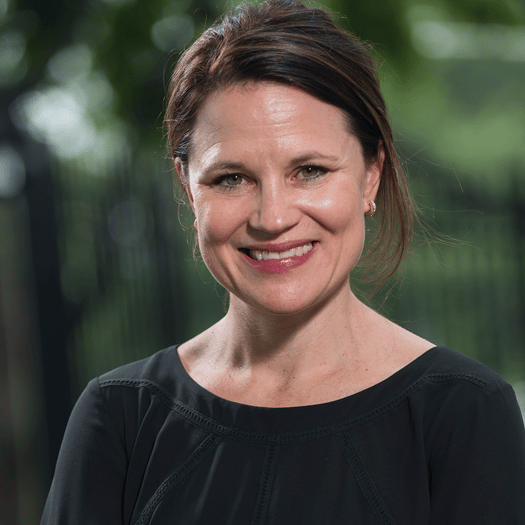
- Director, Solid Tumor Program
- Director Hematology-Oncology Fellowship Program
- Oncologist
Holly Jane Meany, MD
Locations
Departments
Amy Beth Hont, MD
Locations
Departments

- Chief and Director, Cellular Therapy Program
- Associate Professor of Pediatrics
Jeffrey Stuart Dome, MD, PHD
Locations
Departments