




Treatment
Partial Heart Transplant
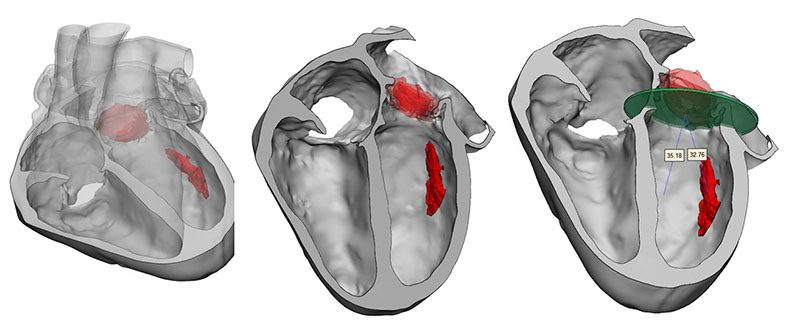
A partial heart transplant, also known as a living root replacement, is a type of surgery that helps fix heart valve problems in babies and young children. Instead of replacing the whole heart, doctors only use parts of a donated heart—like the valves and blood vessels—and add them to the child’s own heart. These parts can grow with the child, which means fewer surgeries may be needed later.

Schedule an Appointment
Our pediatric specialists provide personalized care for your child’s physical, mental and emotional health needs. Meet the providers who perform partial heart transplants and schedule an appointment today.
Frequently Asked Questions
Understanding Partial Heart Transplants
How is a partial heart transplant different from a full heart transplant?
Are there different types of partial heart transplants or living root replacements?
When might my child be considered for a partial heart transplant?
What conditions can be treated with a partial heart transplant?
Who is a candidate for a partial heart transplant?
Partial Heart Transplant Surgery
What happens during a partial heart transplant?
Why choose a living valve over an artificial valve?
What are the benefits of a partial heart transplant?
What are the risks of a partial heart transplant?
Does my child need long-term follow-up care after a partial heart transplant?
How does Children's National support families during a partial heart transplant?

NEWS - Good Morning America
Historic Partial Heart Transplant Replaces Pre-Teen’s Artificial Valve with a Living One
Preston is the first child to have his artificial heart valve replaced with a living valve from a donated heart, thanks to a groundbreaking partial heart transplant performed by our cardiac team.
Departments that Offer Partial Heart Transplants
Advanced Cardiac Therapies and Heart Transplant Program
We provide personalized care for babies and children with heart failure, including advanced VAD techniques and heart transplantation.


Help Kids and Make a Difference
Invest in future cures to help children have brighter futures.