



CNPA Physician Participates in Medical Mission in Rural Pakistan
Omar Jaber, MD, MPH is a pediatrician at CNPA Foggy Bottom and CNPA Capitol Hill.
Last summer, I had the privilege of participating in a medical mission in northern Pakistan through the Islamic Medical Association of North America (IMANA) in partnership with the local non-governmental organization, Comprehensive Disaster Relief Services (CDRS). I was the only pediatrician and the only American physician on a team of medical personnel who successfully treated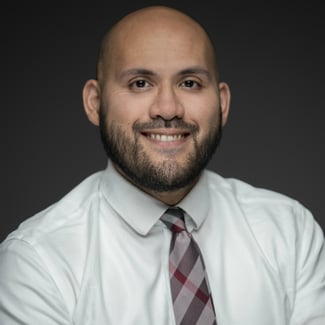 nearly 2,000 patients in just five days. It was challenging and exhausting, but a very rewarding experience, nonetheless. I found myself speechless at times witnessing the hardship and resiliency of the children despite their circumstances. Of course, not being Pakistani myself, there was some measure of “culture shock,” adjusting to the rural lifestyle of the SWAT region that has been often attributed to dangerous groups like Al-Qaeda.
I am blessed to be given this opportunity to use my medical training to help such a welcoming community, and the team was able to make an impact on a community that is in so much need. It was a life-changing experience working with a brilliant team in a beautiful place with remarkable people. I am pleased to be in a profession and to work at an institution with colleagues who support this type of work.